




You said...
I draw the line at tar sands because they put the entire world and its people at risk.
- Nicole, London Ontario
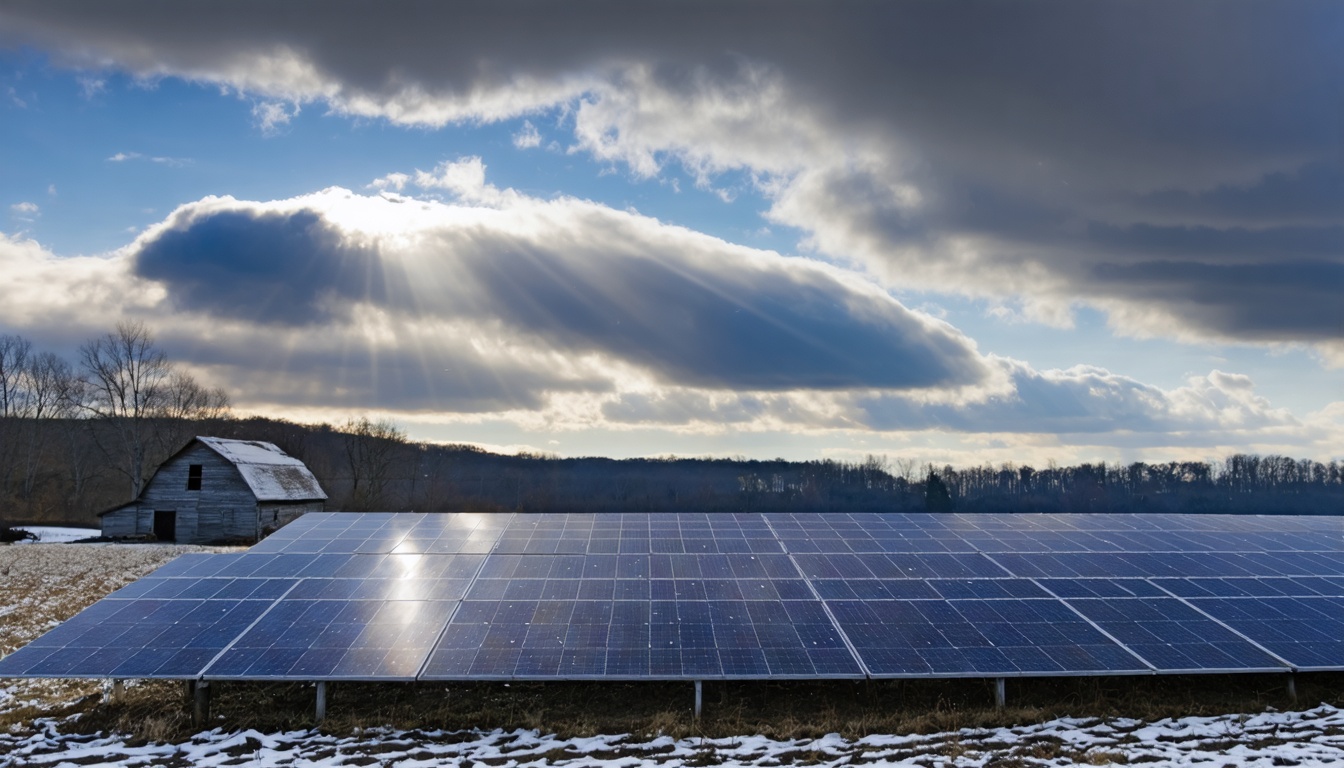
When considering solar energy in Pennsylvania, the local weather plays a significant role in the feasibility and efficiency of solar installations. The state's climate features cloudy winters, abundant summer sunshine, and shorter daylight hours during fall and winter months. These factors must be carefully evaluated when assessing solar energy potential for both residential and commercial properties. During the winter months, persistent cloud cover can limit solar energy generation, leading to reduced efficiency of solar panels. In contrast, summer months often bring longer days and increased sunshine, which can enhance energy production. The variability of daylight hours throughout the year further complicates energy planning, as solar generation capacity fluctuates significantly with the seasons. It is essential to consider these climatic features when deciding on solar energy systems. Solutions should be tailored to leverage Pennsylvania's specific weather patterns, ensuring that energy systems are optimized for performance throughout the year. Understanding the impact of local weather conditions can lead to more informed decisions regarding the suitability and configuration of solar energy investments in the state.
Pennsylvania offers opportunities for solar energy adoption, although its humid continental climate presents challenges for efficient electricity generation. The state averages between 4.5 to 5 hours of sunlight per day, which influences overall solar energy output and costs. Factors such as cloud cover and precipitation further affect the efficacy of solar installations, as noted by Commercial Solar Roofing in Pennsylvania.
From an environmental perspective, solar energy is associated with lower greenhouse gas emissions relative to natural gas and fossil fuels, as reported by Inside Climate News. Selecting optimal sites for solar installations, particularly in urban centers like Philadelphia and Harrisburg, is important for maximizing both efficiency and effectiveness.
Additionally, regulatory frameworks—including insights from PJM Interconnection and guidelines from the Pennsylvania Public Utility Commission—are significant in shaping the investment landscape for renewable energy.
These regulations are crucial for enabling residents and businesses in Pennsylvania to engage with the implications of climate change in a structured manner.
In Pennsylvania, the efficiency of solar panels is directly affected by seasonal variations in sunlight exposure. During the summer months, regions such as Philadelphia benefit from longer periods of sunlight, enhancing solar electricity production. This increased generation can lead to a decreased reliance on natural gas and fossil fuels.
However, the winter season is characterized by shorter daylight hours, greater cloud cover, and the potential for snow accumulation, which may result in higher energy costs for consumers.
Robinson, the executive director at Spotlight, notes that these seasonal changes can significantly impact energy consumption patterns for residents, as well as for organizations like PJM Interconnection and various data centers throughout Pennsylvania.
Research suggests that implementing energy conservation strategies alongside renewable energy sources can help balance demand across different times of the year. This balance is crucial not only for reducing greenhouse gas emissions but also for stabilizing electricity costs for consumers.
A thorough understanding of these dynamics is important for making informed decisions about energy usage and investing in renewable technologies.
When planning a solar panel installation in Pennsylvania, it is essential to conduct a detailed site assessment to identify areas that maximize sunlight exposure. Roofs oriented towards the south are typically preferred, as they receive the most direct sunlight during daylight hours.
It is critical to assess the site for potential obstructions, including trees or adjacent structures, that might create shadows over the solar panels. By maximizing exposure to sunlight, solar energy generation can be enhanced, potentially resulting in lower electricity costs over time.
Statewide initiatives and programs, informed by data from the PJM (Pennsylvania-New Jersey-Maryland Interconnection), underscore the economic advantages of adopting renewable energy sources and implementing energy conservation measures.
Additionally, case studies involving collaborative projects in cities like Philadelphia and energy facilities such as the Homer City Generating Station illustrate the effectiveness of reducing reliance on fossil fuels through careful planning and community engagement.
For both residential properties and commercial entities such as data centers, a thorough site assessment is vital for ensuring the effective use of solar energy systems.
These assessments support the optimization of energy production, which can lead to financial savings and improved environmental benefits by mitigating dependency on conventional energy sources.
In Pennsylvania, homeowners considering solar installations need to evaluate several weather-related factors that can affect energy production. The state typically averages between 3 to 5 hours of sunshine per day. This variability can present challenges for solar energy generation, as highlighted by Robinson of Spotlight PA.
Additionally, during winter months, accumulated snowfall may obstruct solar panels, leading to decreased electricity output and potentially increased energy costs, especially in urban regions like Philadelphia.
Several conditions further complicate the reliability of solar energy production. Overcast skies, intermittent precipitation, and shorter daylight hours during certain seasons contribute to inconsistencies in energy generation.
Experts from Inside Climate News emphasize the importance of maintaining dependable renewable energy sources. This is particularly relevant as organizations such as PJM, along with data centers, strive to manage the balance between energy conservation, consumer demand, and reliance on traditional energy sources like natural gas.
In conclusion, while solar energy has potential benefits, prospective users in Pennsylvania must carefully consider the state's climatic conditions and their implications for solar energy efficiency.
The Pennsylvania Department of Conservation and Natural Resources (DCNR) has established solar energy initiatives through the installation of 38 solar systems across state parks and forests. These systems collectively generate 4,548 kW DC of electricity and service 26 facilities statewide.
The implementation of these solar projects supports Pennsylvania's conservation objectives by reducing greenhouse gas emissions and decreasing dependence on fossil fuels.
DCNR ensures that the placement and design of each solar installation are informed by comprehensive data analysis and an assessment of regional sunlight patterns.
Each system is designed to optimize energy production during typical sunny weather, which is common in Pennsylvania. This method seeks to create a reliable electricity source for state park facilities while also aligning with the state's renewable energy Portfolio Standards.
In doing so, these initiatives potentially contribute to long-term cost savings for consumers.
Solar energy decisions in Pennsylvania are shaped by a variety of technological and economic factors, alongside the interplay between policy frameworks and climatic conditions that influence grid access and community solar programs.
Key legislative measures, such as the Renewable Portfolio Standard, and the operational coordination of PJM Interconnection, are significant in determining the accessibility and deployment of solar resources. Local solar generation is heavily reliant on consistent weather patterns, notably clear days, which are essential for optimizing electricity production.
Robinson, the executive director at Spotlight, points out that energy demand in Pennsylvania’s urban centers, including Philadelphia, as well as facilities like data centers that rely on artificial intelligence, tends to rise in response to increasing electricity costs.
This situation highlights the necessity for viable sustainable energy solutions that can mitigate economic stresses while meeting environmental objectives.
Despite a perceived reduction in legislative backing, community solar initiatives in Pennsylvania continue to gain momentum. These programs offer a pathway for individuals and organizations to engage in solar energy investments without the need for rooftop installations.
Furthermore, the transition away from fossil fuels plays a critical role in decreasing greenhouse gas emissions, supporting broader environmental targets.
Research indicates that sustained investment in renewable energy and energy efficiency measures is vital for achieving long-term sustainability goals.
The effectiveness of these initiatives is largely contingent upon ongoing policy support and the capacity to adjust to evolving environmental challenges.
When considering solar energy in Pennsylvania, it is essential to analyze local weather patterns and seasonal variations. Understanding the region's climate can significantly influence solar technology choices and overall energy efficiency. The state experiences a variety of weather conditions, including significant cloud cover and precipitation, which can impact solar energy generation. During winter months, shorter days and potential snow cover can reduce solar panel efficiency. It is advisable to evaluate site conditions during all seasons to optimize energy production. Additionally, staying informed about state incentives can enhance the return on investment for solar installations. Pennsylvania offers various programs aimed at reducing upfront costs, which can be a determining factor for potential solar users. Regular maintenance and energy storage solutions are also critical in managing solar energy systems effectively. Energy storage allows users to store excess energy generated during peak production times for use during lower production periods, thereby mitigating some of the impacts of seasonal fluctuations. Furthermore, community solar initiatives and access to the electrical grid can provide additional options for individuals or businesses unable to install solar panels directly. These alternatives can broaden access to solar energy and help diversifying energy sources within Pennsylvania. In summary, informed decisions regarding solar energy in Pennsylvania should encompass an understanding of local weather conditions, available incentives, appropriate technology, and community resources. This pragmatic approach can lead to enhanced energy efficiency and cost savings throughout the year.
I draw the line at tar sands because they put the entire world and its people at risk.
- Nicole, London Ontario