




You said...
I draw the line at tar sands because they put the entire world and its people at risk.
- Nicole, London Ontario
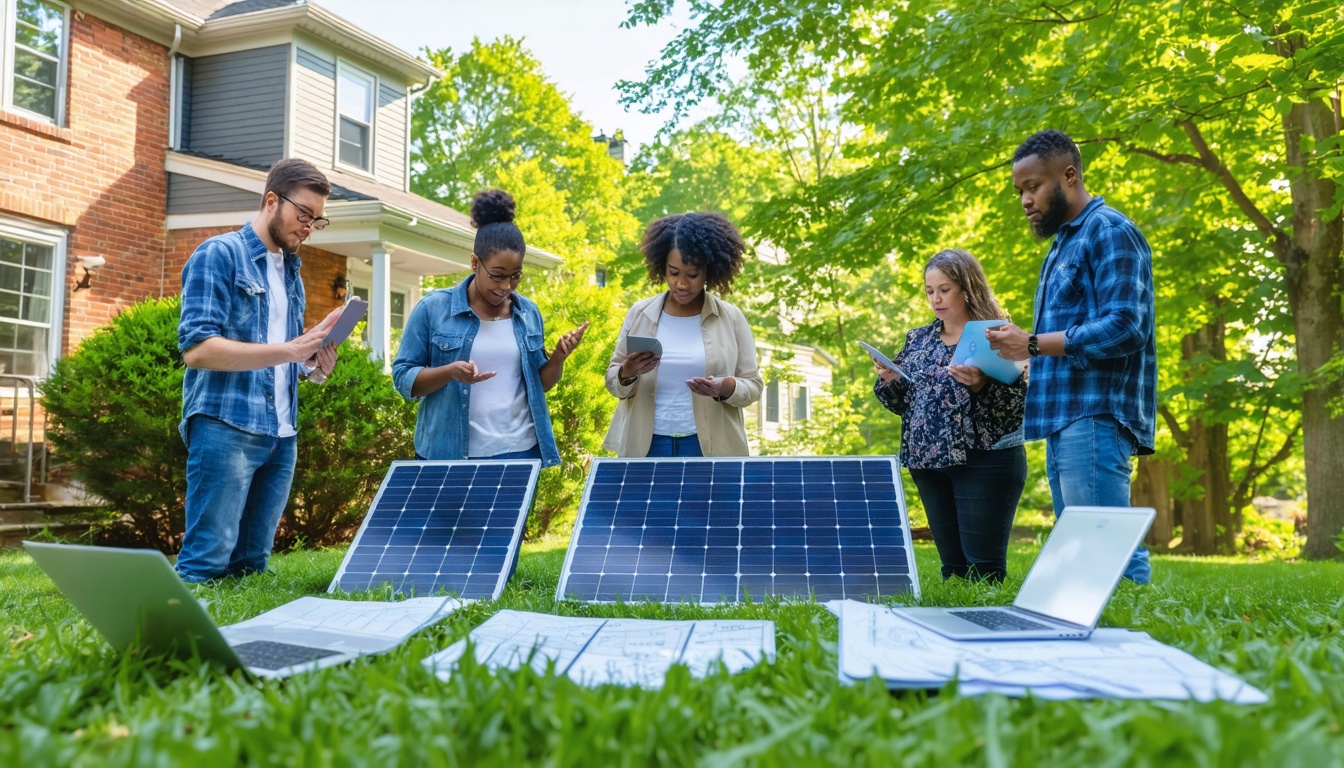
Before investing in solar panels for your property in Jamaica, New York, it is important to consider various factors that may influence your initial costs and long-term advantages. Understanding the relevant rules, regulations, and technology is crucial, as well as asking pertinent questions at each stage of the process. Here are several key details to keep in mind: 1. **Regulatory Requirements**: Familiarize yourself with local building codes, zoning laws, and any permits required for solar installations. New York State has specific regulations that govern solar energy systems, so ensuring compliance is essential. 2. **Incentives and Rebates**: Review available financial incentives for solar energy adoption, including federal tax credits and state programs that may reduce installation costs. These incentives can significantly affect the overall financial outlook of your solar investment. 3. **Solar Technology Options**: Assess the different types of solar panels and systems, such as grid-tied or off-grid setups. Understanding the distinctions will help you make an informed choice based on energy needs and budget. 4. **Energy Considerations**: Analyze your current energy usage and costs to determine the size and type of system that best suits your needs. Monitoring your electricity consumption can provide insights into potential savings from solar energy. 5. **Installation and Maintenance**: Investigate the reputability of solar installation companies and understand the maintenance requirements of the solar system you choose. Quality installation and ongoing maintenance are important for optimal performance and longevity. 6. **Financing Options**: Explore various financing methods available for solar projects, including outright purchases, financing plans, and leases. Each option has different implications for ownership and return on investment. By taking these factors into account and conducting thorough research, you can make a more informed decision regarding the implementation of solar panels on your property.
To determine if your property is suitable for solar panel installation, start by assessing the sunlight exposure on your roof. Optimal conditions include south-facing areas that receive at least six hours of direct sunlight each day.
It is also essential to evaluate the structural integrity of your roof and to identify any potential shading from adjacent buildings or trees that could impact solar efficiency.
For a more detailed estimation of potential energy production, consider utilizing tools like PVWatts, especially effective for properties located in New York.
Additionally, it is crucial to ensure compliance with local and state regulations, as these may outline necessary guidelines and offer potential financial incentives for solar projects.
Consulting with a reputable solar installation company can provide valuable insights regarding installation procedures, anticipated costs, and contractual responsibilities.
In New York, it is also advisable to investigate available financing options, understand the implications of property taxes, and review historical data related to solar energy developments in your area.
This thorough assessment will aid in making an informed decision about the viability of adopting solar energy for your property.
When planning a solar installation in Jamaica, New York, it is important to thoroughly assess the local regulatory framework to ensure compliance with applicable zoning regulations and building codes. You may find additional details about Solar Panels in Jamaica, New York by consulting local government resources or licensed solar professionals.
It is advisable to research both state and local incentive programs, as these may offer financial benefits that can reduce installation costs or positively influence property taxes.
A variety of resources exist to inform prospective solar system users about financing options available for solar panel systems. If you belong to a homeowners association (HOA), it is necessary to verify any restrictions that may apply to the installation of solar equipment on your property.
Additionally, it is beneficial to inquire about the availability of electric vehicle charging infrastructure and energy interconnection, as these factors may affect the overall efficacy of your solar system.
Landowners should ensure that contracts clearly outline property rights associated with solar installations.
To remain informed about relevant updates—including developments in the area and any planning issues—it is recommended to consult local government websites and archives regularly for accurate information.
Before finalizing your choice of a solar installation company, it is essential to conduct a comprehensive assessment of their qualifications and reputation. In New York, it is necessary to verify the company's licensing and insurance status. Additionally, confirming their membership in the North American Board of Certified Energy Practitioners (NABCEP) is important, as this certification indicates a certain level of professionalism within the solar industry.
It is advisable to inquire about recent installations completed by the company, particularly those serving local landowners. Requesting references can help assess customer satisfaction and the reliability of the company.
Further, determine if the company handles building permits and state utility interconnections, as this can contribute to a smoother project timeline. Carefully review the company's proposed installation schedule and contract terms to ensure they meet your expectations and requirements.
Assess the company's involvement in energy programs supported by New Yorkers, as this may demonstrate their commitment to local energy initiatives.
Lastly, examine the company's website thoroughly. Pay attention to the Site Map and Contact Us page, and review their Privacy Policy to understand how they handle client information. This diligence is crucial for making an informed decision regarding your solar installation project.
A comprehensive evaluation of the financial aspects related to your solar project in Jamaica, New York, is vital for making a well-informed investment decision. Start by gathering and assessing installation cost estimates from various contractors, with prices typically ranging from $2.50 to $3.50 per watt in this area.
It is advisable to inquire about applicable federal and state programs, such as the Solar Investment Tax Credit (ITC) and New York State Energy Research and Development Authority (NYSERDA) initiatives, as these can lead to substantial reductions in overall tax liabilities and enhance total savings.
Moreover, consider the various financing options available, such as loans, solar leases, and Power Purchase Agreements (PPAs). Each financing choice will affect both the terms of the contract and your eventual financial outcomes.
It is also prudent to review any local incentives or additional resources that may be accessible through current Sun Development reports, which could provide further advantages for your investment.
For further questions or assistance, do not hesitate to reach out or consult our site map and privacy policy for more information.
Effective system design plays a significant role in ensuring reliable and efficient solar performance in Jamaica, New York. When assessing potential solar installations, it is advisable to request an estimated annual energy output from your solar provider. Tools such as PVWatts can be utilized, as they offer data based on local solar irradiance and other relevant factors.
Engaging a State-licensed engineer with knowledge of local building codes and development regulations can help ensure that the project complies with necessary standards. It is also important to inquire about the available types of inverters, as these components can influence energy generation efficiency and compatibility with the electrical grid.
For solar systems that plan to include electric vehicle (EV) charging, it is necessary to clarify the percentage of solar capacity that will be dedicated to this function, as it can impact overall energy distribution and usage.
Additionally, reviewing performance guarantees, contract terms, and historical performance data is essential for gaining insights into ongoing costs, potential property tax implications, and financing options applicable to New Yorkers and landowners contemplating solar investments.
This analysis is relevant for making informed decisions regarding solar energy systems.
When preparing to install a solar system in Jamaica, New York, it is important to analyze recent electric bills to assess energy consumption accurately and set realistic expectations regarding potential savings.
Additionally, reviewing local and state building codes is necessary to confirm whether the installation of solar panels is permissible and to identify any applicable land or property restrictions.
Engaging in a discussion with your selected installation firm about maintenance requirements, contract terms, and options for future system expansion is advisable. This dialogue can clarify long-term commitments and outline potential future needs related to the solar installation.
Moreover, it is beneficial to investigate various financing options, considering ongoing costs associated with the solar system and potential implications for property tax assessments.
Familiarizing yourself with the available solar programs for New York residents may provide valuable insights. Reviewing historical project data can also assist in making informed decisions.
Lastly, examining the site map and privacy policy linked to the installation is necessary to ensure compliance and understand how personal data will be managed throughout the process.
Before initiating a solar project in Jamaica, New York, it is crucial to ask a series of targeted questions and thoroughly evaluate each component of the project. Begin by assessing your property to determine its suitability for solar panel installation. This includes evaluating the roof's orientation, shading from nearby trees or buildings, and the structural integrity of the roof itself. Next, familiarize yourself with local regulations and zoning laws that may impact your installation. Contacting local authorities or neighborhood associations can provide insights into permitting processes and potential restrictions on solar projects. Additionally, examine the financial incentives available for solar energy in New York. Programs such as the NYSERDA Solar Incentive Program may offer rebates or tax credits, which can significantly reduce the upfront costs of installing solar panels. Selecting a qualified and experienced solar installer is also essential. Research their credentials, customer reviews, and portfolio of completed projects to ensure professionalism and reliability. Designing a solar system that meets your energy needs requires careful consideration of system size, equipment type, and projected energy production. Utilize tools like solar calculators to estimate potential energy generation and savings. Lastly, prepare for the ongoing maintenance of your solar system. While solar panels generally require minimal maintenance, regular inspections and cleaning can help ensure optimal performance over time. By addressing these key aspects comprehensively, you can make well-informed decisions that enhance the effectiveness of your solar energy project and support a more sustainable future.
I draw the line at tar sands because they put the entire world and its people at risk.
- Nicole, London Ontario