




You said...
I draw the line at tar sands because they put the entire world and its people at risk.
- Nicole, London Ontario
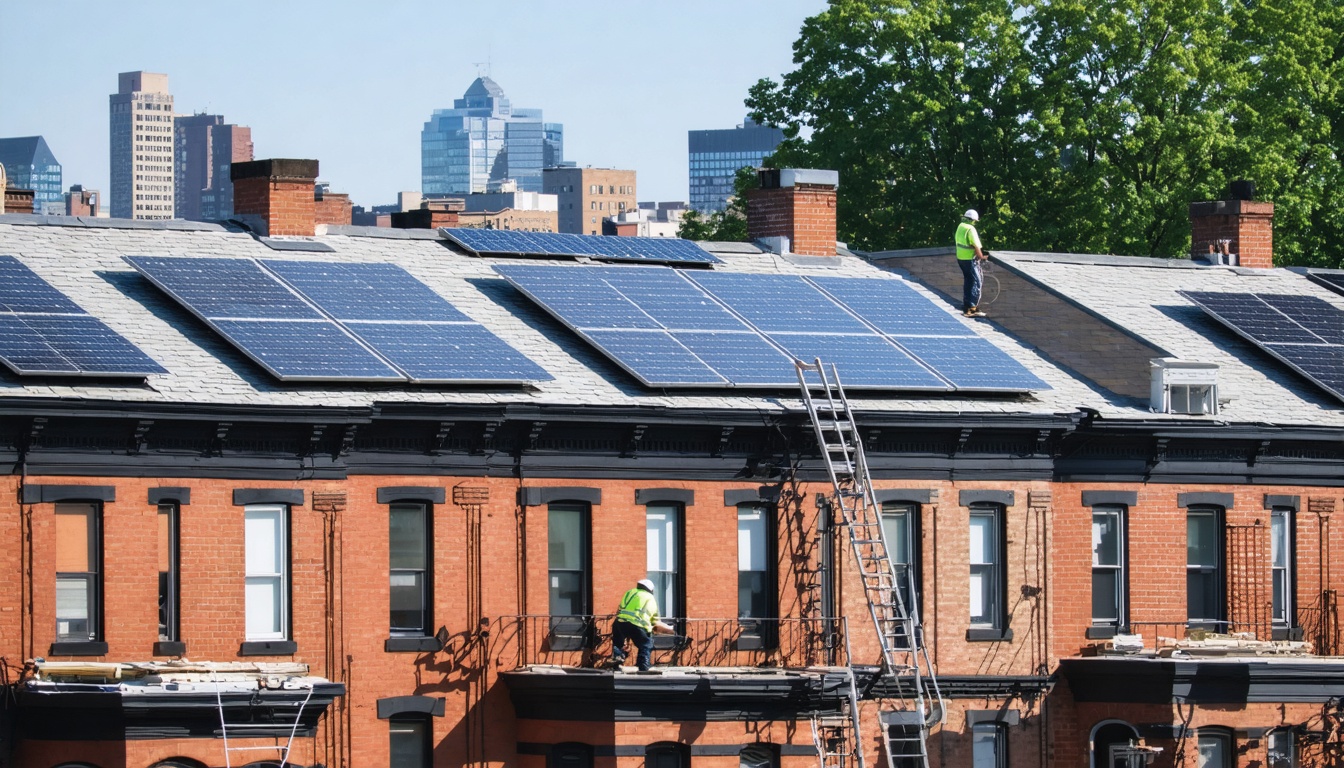
When considering a solar upgrade for your home in the Bronx, the condition and configuration of your roof are critical factors influencing the project's feasibility and success. It is essential to evaluate the structural integrity of your roof, as well as the materials used in its construction. Local building codes and regulations may also impose requirements that need to be met for a solar installation. Before proceeding with the installation of solar panels, homeowners should assess whether their roof can adequately support the weight of the solar array and withstand potential weather-related stresses, which can be significant in urban environments like the Bronx. Additionally, it is prudent to consider the roof's age and overall condition—if a roof is nearing the end of its lifespan, it may be more cost-effective to replace it before installing solar panels to avoid additional costs in the near future. To optimize your roof for solar energy production, determine the available space for panel installation and assess any potential shading from nearby structures or trees, as this can impact the efficiency of solar panels. Furthermore, understanding the orientation of your roof can influence energy generation—south-facing roofs typically provide the best exposure to sunlight. In summary, ensuring your roof is adequately prepared for solar installation involves comprehensive evaluations of its condition, compliance with local codes, structural capabilities, and optimal configuration for sunlight exposure. This careful planning can maximize the effectiveness and return on investment of your solar energy system over time.
Before installing solar panels on a residence in the Bronx, it is important to assess the roof's condition. A thorough structural evaluation can help detect issues such as leaks, soft spots, or aging shingles that may affect the durability and efficiency of the solar system.
In New York City, including Brooklyn, many solar installation companies, like Mpower Solar, provide free local evaluations prior to installation. For roofs older than 15 years or showing signs of wear, it is recommended to perform necessary repairs to maintain the structural integrity required for supporting residential solar panel systems.
Proper preparation of the roof for solar panel installation enhances the potential for obtaining available incentives and protects the property from prospective damage.
Homeowners interested in further details and services can find information on the websites of solar installation companies, including those specializing in Solar Panels in the Bronx, New York.
To enhance the energy output of solar panels on a home in the Bronx, it is crucial to focus on increasing sun exposure through careful planning and ongoing maintenance.
First, evaluate the orientation of your roof. In New York City, a south or southwest-facing orientation is recommended for optimal solar panel installation, as these directions maximize sunlight exposure throughout the day. A flat area of approximately 300 to 400 square feet is necessary for the installation of an adequate number of solar panels.
Conducting a local solar assessment, which may involve the use of satellite imaging, can yield valuable insights regarding the solar potential of your specific location. It is important to identify and address any shading issues, as minor obstructions, such as branches from nearby trees, can significantly diminish solar energy output.
To maintain efficiency, regular maintenance practices—such as trimming trees and keeping solar panels clear of debris—are advisable.
By adhering to these guidelines, homeowners can effectively prepare for solar installation and take advantage of available customer incentives. Additionally, sharing this process on social media platforms may promote community awareness and provide information regarding the advantages of utilizing solar energy.
When evaluating a solar installation for a residence in the Bronx, it is important to assess the compatibility of roofing materials with solar energy systems. The choice of roofing material can impact the efficiency and longevity of solar panels.
Asphalt shingles are commonly used in New York City and Brooklyn due to their ease of installation and cost-effectiveness. Their prevalence indicates a level of compatibility with various solar mounting systems, making them a practical choice for homeowners seeking solar solutions.
Metal roofs, particularly those with standing seams, are recognized for their durability and suitability for solar panel installations. These roofs tend to resist weather-related damage and provide a reliable foundation for solar systems throughout their lifespan.
While tile and slate roofs are also acceptable choices for solar installations, they typically require specialized installation techniques that may complicate the process and increase costs. Homeowners should consider the expertise necessary for these materials to ensure proper integration with solar panels.
Mpower Solar offers local installers experienced in handling a variety of roofing types, which can help ensure correct installation and optimal performance of residential solar systems. Homeowners interested in solar energy can schedule a consultation to discuss available incentives and gain further insights into the installation process.
Evaluating the suitability of your Bronx home's roof for solar panel installation requires a systematic assessment of available space and the architectural design.
In New York City, residential solar installations typically necessitate either a flat or pitched roof, which should ideally provide approximately 300 to 400 square feet of unobstructed area. This spatial requirement can typically accommodate around 12 to 15 solar panels, depending on your specific energy consumption needs and the specifications of the chosen solar panels.
It is important to review the roof for potential obstructions such as chimneys, skylights, and vents. These elements can hinder the placement of solar panels and subsequently impact the overall energy production capacity of the system.
Prior to arranging a site assessment with a local solar installation expert, it may be beneficial to perform an initial evaluation of your roof's dimensions and orientation.
By determining whether your roof is capable of adequately supporting solar panels, you can make informed decisions regarding energy consumption and the feasibility of investing in solar technology.
Installing solar panels in the Bronx requires careful adherence to a series of procedural steps that involve compliance with New York City Building Codes and local regulations concerning residential solar installations.
This process includes obtaining the necessary permits, performing structural assessments to ensure that roofs can support the weight of the solar panels, and following any additional guidelines that may be mandated by designations of historical or landmark districts.
Homeowners residing in co-operative housing should take special note of their co-op’s specific rules and regulations, as these can significantly influence the feasibility and approval of the installation process.
To assist homeowners in navigating these complexities, Mpower Solar provides services that include preparation of required documentation and communication with city officials to ensure adherence to applicable requirements.
Homeowners interested in solar energy installations may benefit from consulting Mpower Solar for updated information and resources concerning energy efficiency strategies for various roof designs, including flat and pitched roofs.
When considering solar upgrades for your home in the Bronx, it is important to focus on several key factors: structural strength, sun exposure, and compatibility of materials. First, assess your roof’s size and layout to determine if it can accommodate solar panels effectively. Accessibility for maintenance is also crucial, as regular upkeep is necessary for optimal performance. Additionally, familiarize yourself with local building codes and obtain the appropriate permits before proceeding with any solar installation. Compliance with regulations will ensure the safety and legality of your solar setup. Investing in a solar-ready roof can potentially increase your property value and reduce energy costs over time. Moreover, adopting solar energy contributes to broader sustainability goals within your community. Overall, thorough preparation of your roof for solar installation can lead to practical financial and environmental benefits.
I draw the line at tar sands because they put the entire world and its people at risk.
- Nicole, London Ontario